Hyderabad: To stop the spread of dengue, malaria, and chikungunya, the Greater Hyderabad Municipal Corporation (GHMC) has stepped up its mosquito-control efforts by combining technology and field methods.
4,846 colonies had mosquito breeding sites detected.
The GHMC Entomology Department is conducting anti-larva and anti-adult mosquito control operations in all zones and circles in accordance with the Commissioner’s directives.
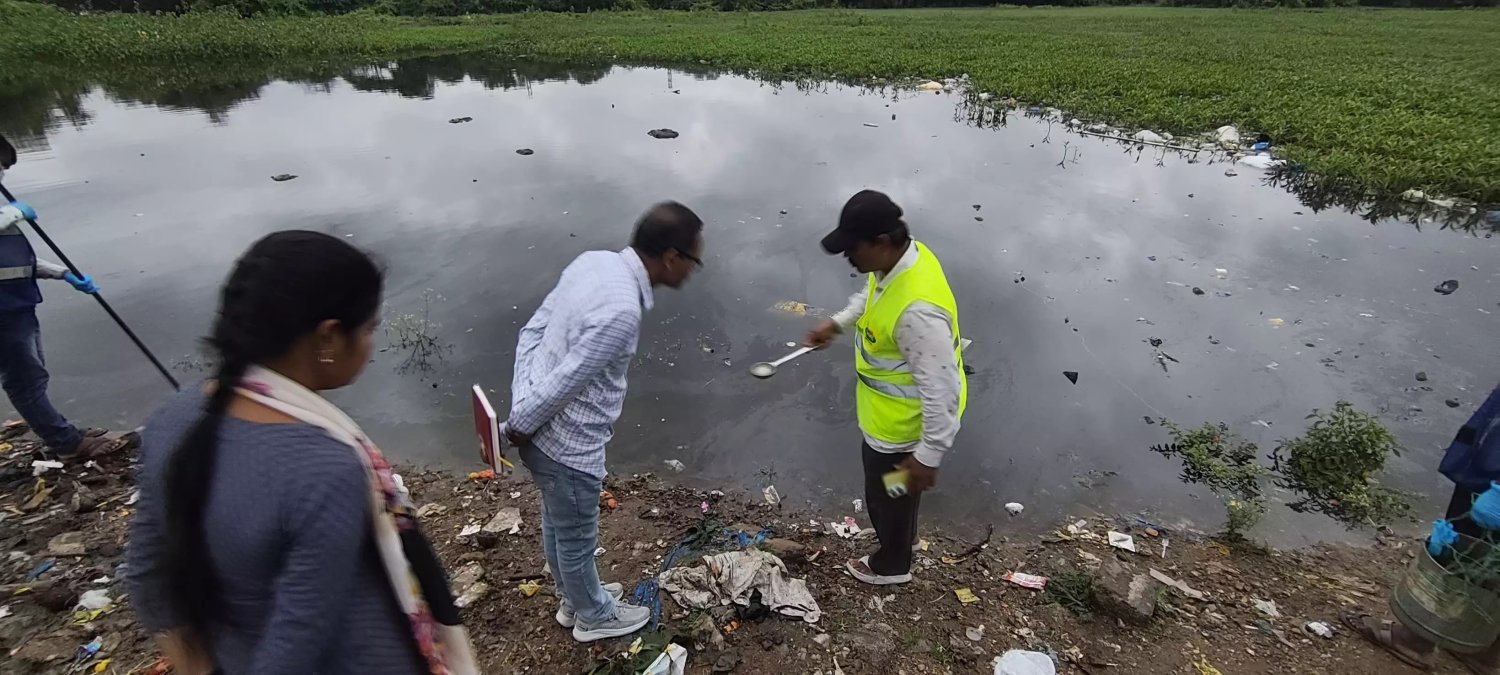
Gambusia fish and oil balls are being used to treat mosquito breeding grounds, such as standing water in tanks, ponds, and open drains, in 4,846 colonies that have been found.
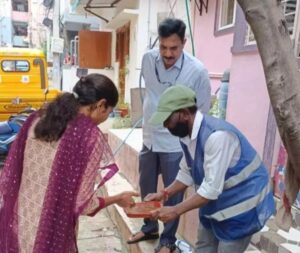
In each ward, an Entomology Field Assistant has been assigned to supervise fogging, awareness campaigns, and anti-larva activities. Low-lying regions, construction sites, and cellars where indoor pyrethrum spraying and larval surveys are taking place are receiving particular attention.
GHMC is using drones in areas that are dangerous or challenging for hand spraying.
These assist stop mosquito proliferation before it reaches residential areas by covering not only overhead water tanks but also isolated and unoccupied regions.
Participation of the public and weekly “dry day”
Every Tuesday, Friday, and Saturday, schools and universities hold awareness efforts to teach students about prevention. In residential areas, Fridays are designated as “Friday Dry Days,” which encourages people to remove standing water from the regions surrounding their homes.
Additionally, GHMC is recommending that homes that utilize bowls, plant saucers, or pot trays to feed pets and street animals wash and dry them at least once every seven days. By doing this, mosquito larvae are kept from developing in hidden crevices.
Fogging based on complaints
Residents can use the “My GHMC” mobile app to request fogging. The entomology team arranges fogging in the specified location as soon as they receive a request.
Geo-tagging for monitoring
Geotagged photos are being used to track all anti-larva efforts, enabling field workers to be monitored and held accountable in real time.
The high mosquito density in the city raises the possibility of seasonal illness outbreaks, according to GHMC experts. Although fogging aids in the reduction of adult mosquitoes, experts stress that the best way to avoid mosquitoes is to eradicate nesting grounds.
Certain regions, such as Malkajgiri, Alwal, Chandanagar, Gajularamaram, and portions of Serilingampally, continue to receive the most complaints about mosquitoes. Due to waste accumulation and stagnant water, lakeside communities and neighborhoods along the Musi River have also been recognized as recurring hotspots.
Residents are being urged by officials to make sure that there is no standing water in their homes or neighboring areas.