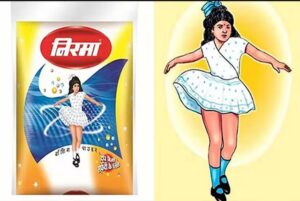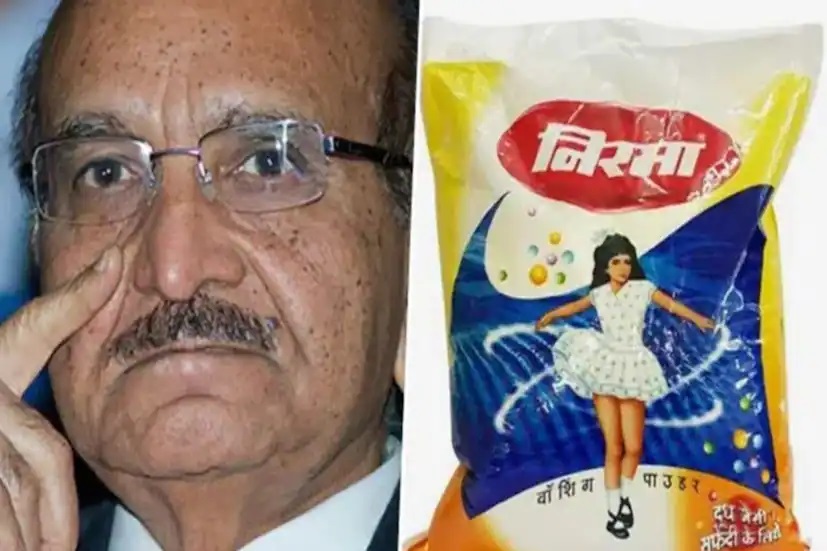
Since the 1980s and 1990s, India has gone a long way। The majority of the goods that were available at that time are no longer available। Some famous brands have disappeared, while others have been updated to meet consumer demands। Nirma, the popular Indian washing powder brand, is also on this list।
In 1969..
Krishanbhai Patel established “Nirma” in 1969. In honor of his late daughter Nirupama, he gave it the name Nirma. The brand amassed an empire worth Rs. 17,000 crores at its height. However, a few errors seriously harmed the business.
Nirma’s ascent…
Krishanbhai Patel was a chemist who started the Nirma tale. Nirma Surf was introduced at the time for just Rs. 3, which was significantly less than Hindustan Unilever Surf’s Rs. 15 price tag. It also had good cleaning quality. Families in the middle and lower middle classes came to love it. Brands like Surf were surpassed by Nirma, which held a 60 percent market share in India by the 1980s.
Promotion of the Market
Price is only one aspect of the brand. Astute tactics, such as a money-back promise, have been effective. By offering a return if the clothing are not clean, the campaign gained popularity. The product became more widely known thanks to the popularity of the ‘Jangal’ commercial and the joy of housewives. The Nirma brand has been supported by Bollywood celebrities Hema Malini, Reena Roy, Sridevi, and Sonali Bendre.
The decline of Nirma
Nirma’s market share dropped to just 6% by 2000. This resulted from market competitiveness. International companies have made their way into India, including Tide, Ariel, and Surf Excel. These businesses have launched aggressive marketing efforts, creative packaging, and novel stress-relieving formulations. presented. Families from the middle class were drawn to it. Nirma was unable to apprehend them. The corporation started to decline after that.
For this reason, other businesses have introduced new product variations and raised the standard. However, Nirma has adhered to its fundamental formula. Due to a lack of innovation, the brand has become antiquated. Customers now view Nirma as a “cheap” product as the Indian economy has grown and people’s purchasing power has increased. began to search. As a result, there was interest in high-end goods. The brand’s failure to adapt to the times was the cause of the downturn. Concurrently, Nirma Company ventured into adjacent industries like education, chemicals, and cement. This made Nirma’s business less of a focus.
Hindustan Unilever companies, which effectively managed a variety of enterprises, were more successful than Nirma.
If you’re not open to change.
We are reminded of the necessity of creativity and adaptability by Nirma’s path. It demonstrates how a straightforward concept and astute planning can create a massive corporate empire. It also illustrates what occurs when shifting marketplaces fail to adjust to the demands of consumers.